
 0434 379 742
Are you contemplating a move to Australia and find yourself torn between two of its most vibrant cities, Brisbane and Melbourne?
You’re not alone! Deciding where to call home is a big decision, and there are numerous factors to consider. One of the most critical aspects that can significantly impact your lifestyle is the cost of living.
In this comprehensive guide, Yes Movers will delve deep into the cost of living in Brisbane and Melbourne.
By the end of this article, you’ll have a clear understanding of which city might be the better fit for your budget and lifestyle.
Cost of Living in Brisbane
Housing Costs
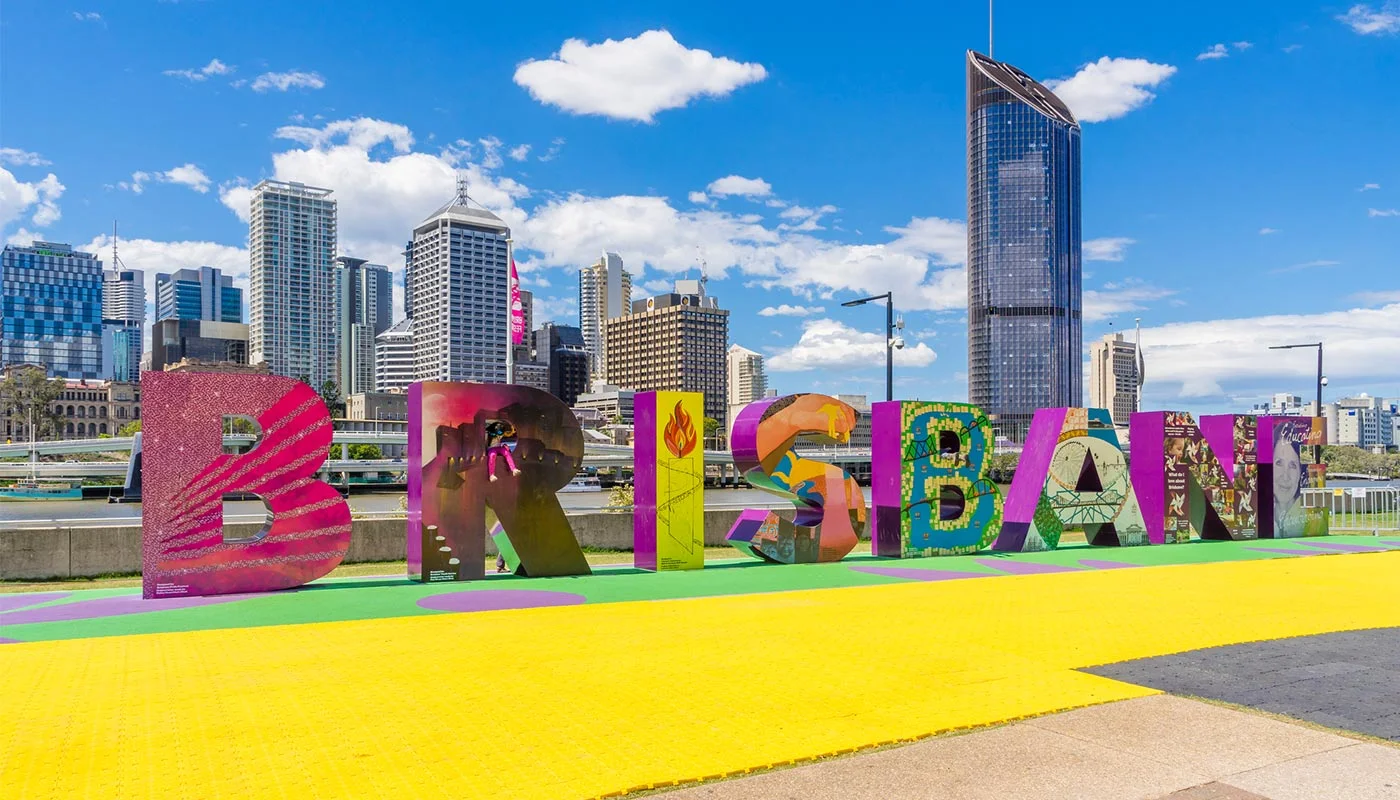
Brisbane is often considered the more affordable option when it comes to housing costs. The city offers a range of housing options, from apartments to spacious family homes. Rental prices in Brisbane tend to be lower than in Melbourne, making it an attractive choice for those looking to save on housing expenses.
On average, a one-bedroom apartment in the city center of Brisbane may cost around AUD 1,500 per month, while the same apartment in Melbourne could set you back around AUD 2,000 or more. For families or those seeking larger accommodations, the savings can be even more significant in Brisbane.
Transportation Expenses
When it comes to getting around, Brisbane is also relatively budget-friendly. A monthly transport pass in Brisbane typically costs around AUD 150, whereas Melbourne’s public transport passes can be a bit pricier at around AUD 160 per month.
Groceries and Dining Out
If you enjoy dining out or cooking at home, you’ll be pleased to know that groceries and restaurant prices in Brisbane are generally lower than in Melbourne. You can expect to pay less for your daily essentials and meals, which can lead to substantial savings over time.
Healthcare Costs
Healthcare expenses are a vital consideration for anyone planning a move. Fortunately, Australia offers a world-class healthcare system, and both Brisbane and Melbourne provide access to quality medical care. The cost of healthcare services is relatively consistent between the two cities, with no significant differences to influence your decision.
Education Costs
If you have children or plan to pursue higher education, it’s important to consider educational costs. Brisbane and Melbourne have excellent schools and universities. However, Melbourne may have a slight edge in terms of prestigious educational institutions. Be prepared for tuition fees that can vary depending on the level of education and institution you choose. Scholarships and financial aid options are available in both cities, so your choice may ultimately depend on the specific programs and institutions that align with your educational goals.
Entertainment and Recreation
When it comes to entertainment and recreation, both cities have a lot to offer. Brisbane boasts a fantastic climate with warm, sunny days throughout the year, which means you can enjoy outdoor activities without incurring additional expenses. The city also offers numerous parks, beaches, and recreational areas that are easily accessible. In contrast, Melbourne is known for its cultural diversity, vibrant arts scene, and a wide range of entertainment options. While enjoying Melbourne’s cultural offerings is a unique experience, it’s important to note that it can be costlier than leisure activities in Brisbane.
Job Market and Income
Your choice of city may also be influenced by job opportunities and income potential. Melbourne, as Australia’s second-largest city, offers a broader job market with more diverse industries. This can lead to higher income potential for certain professions. However, Brisbane has been experiencing significant economic growth and offers a burgeoning job market, particularly in fields like technology, finance, and healthcare. It’s advisable to research job opportunities in your specific field and compare salaries in both cities to make an informed decision.
Cost of Living in Melbourne

Housing Costs
Melbourne is known for its cultural diversity and vibrant arts scene, but it comes with a higher price tag for housing. Renting an apartment in Melbourne’s city center is significantly more expensive than in Brisbane. Expect to pay around AUD 2,000 or more per month for a one-bedroom apartment in Melbourne’s central areas.
Transportation Expense
Melbourne’s public transportation system is extensive, but it can be more expensive compared to Brisbane. Monthly transport passes cost around AUD 160, and if you need to commute daily, this expense can add up quickly.
Groceries and Dining Out
While Melbourne offers a plethora of dining options and culinary experiences, it’s important to note that dining out in this city can be more costly compared to Brisbane. Groceries may also come at a slightly higher price point, impacting your monthly expenses.
Healthcare Costs
As previously mentioned, healthcare expenses are generally consistent between Brisbane and Melbourne. Australia’s healthcare system is designed to provide quality care to residents, ensuring that healthcare costs do not pose a significant financial burden regardless of your chosen city.
Education Costs
Melbourne’s reputation as a cultural and educational hub extends to its universities and schools. While it offers a wide range of educational opportunities, it’s essential to budget for potential tuition fees, which can vary depending on the institution and level of education.
Entertainment and Recreation
Melbourne shines when it comes to entertainment and recreation. The city is renowned for its cultural events, festivals, and thriving arts scene. It offers a unique lifestyle that appeals to many. However, this lifestyle often comes at a higher cost. If you prioritize culture, arts, and urban experiences over lower living costs, Melbourne might still be the ideal choice for you.
Job Market and Income
Melbourne’s diverse economy provides a broad range of job opportunities across various industries. This diversity can lead to higher income potential in certain fields. If you’re seeking career advancement and professional growth, Melbourne’s job market may offer more extensive options compared to Brisbane.
Conclusion: Brisbane vs Melbourne
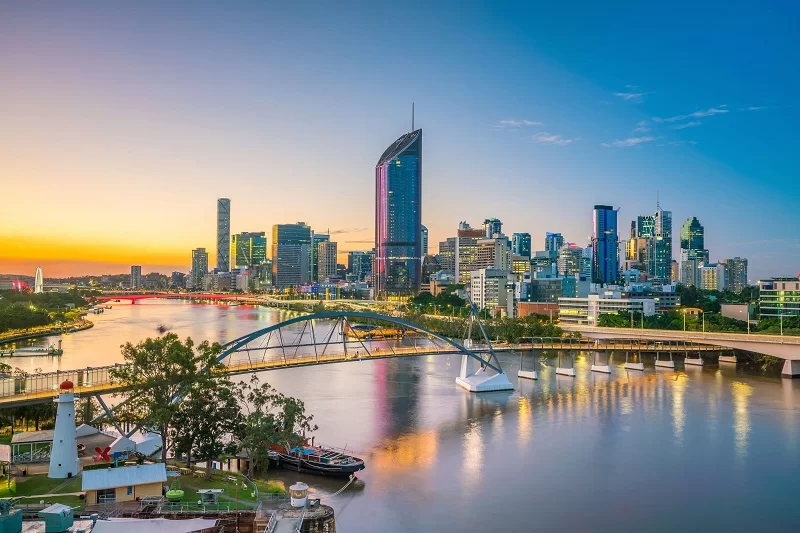
Your personal preferences, lifestyle, and financial situation ultimately determine whether you should relocate to Brisbane or Melbourne. Here is a succinct summary to assist you in making an educated decision:
Select Brisbane if:
- You’re seeking for additional budget-friendly housing alternatives.
- Lower transportation costs are a priority for you.
- You want to save on groceries and dining out.
- You enjoy a warm, sunny climate and outdoor activities.
- You value a growing job market, particularly in technology, finance, and healthcare.
Choose Melbourne if:
- You prioritize cultural diversity, arts, and urban experiences.
- Housing costs are not your primary concern, and you are willing to pay more for accommodation.
- You are comfortable with a slightly higher cost of living for the cultural and social benefits.
- You seek a broader job market with diverse career opportunities.
- You value access to a wide range of entertainment, cultural events, and festivals.
In conclusion, both Brisbane and Melbourne have their unique charms and advantages. Your choice should align with your personal preferences and financial situation. Whether you prioritize cost savings or a vibrant cultural scene, Australia has a city that can cater to your needs.
Before making your final decision, it’s advisable to visit both cities, explore their neighborhoods, and assess which one feels like the best fit for your lifestyle and aspirations. Regardless of your choice, Australia offers a high quality of life and numerous opportunities for personal and professional growth. Happy exploring and best of luck with your move to the Land Down Under!